Introduction
Stronger Together: The Art of Mutual Support in Our Senior Community
Introduction
The true strength of a society isn’t measured by its resources alone, but by how we show up for one another. As we navigate the seasons of life, the most valuable asset we have is our community. By fostering a culture of mutual support, we transform our neighborhood into a true support system where everyone has a role to play—and everyone is cared for.
1. The Power of Small, Daily Acts
Mutual support doesn’t always require grand gestures. Often, it is the quiet, consistent actions that have the most impact on our daily well-being.
- The “Check-In” System: Create a simple buddy system where neighbors agree to check in on one another through a quick phone call or a doorstep wave, ensuring no one feels forgotten.
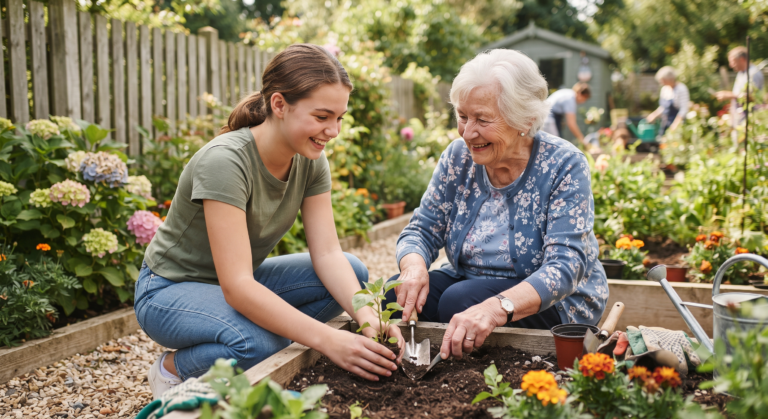
- Sharing Skills: We all have a lifetime of expertise. Whether it’s gardening, sewing, fixing a leaky faucet, or helping with digital tasks, offering to share your skills with a neighbor creates bonds and keeps our minds sharp.
- Active Listening: Sometimes, the most profound support we can offer is simply sitting with someone and listening to their story. Acknowledge their experiences and validate their feelings.
2. Building a “Help-Exchange” Network
You can formalize the spirit of support by creating a local “Help-Exchange.”
- Task Matching: If you are mobile and have a car, offer to pick up groceries for a neighbor who has difficulty moving; in return, perhaps they can share their talent for cooking or sewing.
- Resource Sharing: Create a shared pool of items that are rarely used but necessary, like heavy-duty tools or extra chairs for gatherings. This reduces individual burden and fosters communal reliance.
3. Cultivating Inclusivity
Support is only effective if it reaches everyone. We must be intentional about identifying those who may be harder to reach.
- Identify the Isolated: Keep an eye out for members who haven’t been seen at community gatherings or whose homes seem neglected. A gentle outreach can make a world of difference.
- Make it Accessible: When planning activities, ensure they are inclusive for those with different mobility levels or sensory needs. A community is only as strong as its most vulnerable member.
4. Why This Matters
When we shift from being individuals to being a collective, we reduce the burden of isolation and anxiety. A community that supports each other provides:
- A Sense of Purpose: Knowing that you are needed by your neighbors gives life renewed meaning.
- Enhanced Safety: A neighborhood that communicates and looks out for one another is inherently safer.
- Emotional Resilience: Shared challenges become much easier to manage when we know we don’t have to face them alone.
Conclusion
Mutual support is the heartbeat of a thriving society. By extending a hand, sharing a story, and looking out for our neighbor, we are not just helping others—we are building a legacy of care that sustains us all. Let us commit to being the kind of neighbor we would want for ourselves.