Bridging the Gap: How We Can Better Support Our Senior Citizens
Bridging the Gap: How We Can Better Support Our Senior Citizens
Introduction
Aging is a universal experience, yet in our fast-paced world, our senior citizens often find themselves sidelined or isolated. Supporting our elders is not merely about providing physical care; it is about honoring their lifetime of contributions and ensuring they remain active, valued participants in our community. In this article, we explore how small, intentional actions can significantly improve the quality of life for the seniors in our lives.
1. Shift from “Caring For” to “Caring With”
The foundation of support is respecting independence. Instead of taking control of every task, we should aim to empower seniors to manage their own lives as much as safely possible.
Ask, don’t assume: Always ask what they need help with rather than deciding for them.
Include them in decisions: Whether it is about their daily schedule or medical choices, their voice should be central to the conversation.
2. Combatting the Silent Epidemic: Loneliness
Loneliness is as damaging to health as chronic illness. We can bridge this gap through:
Meaningful Conversation: Set aside time for undistracted listening. Ask them about their history, their career, or their lessons learned.
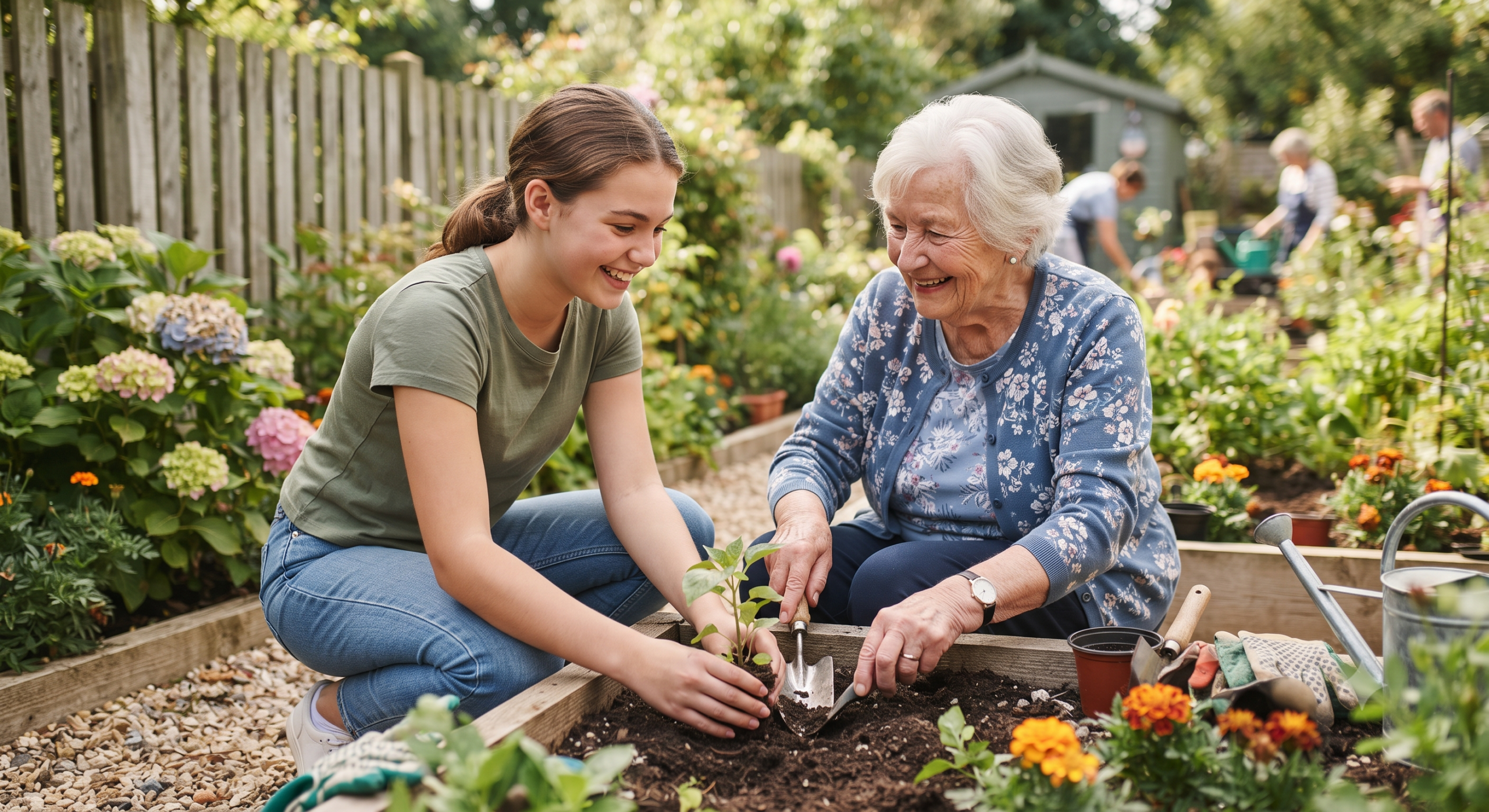
Intergenerational Activities: Encourage activities that mix ages—such as board games, gardening, or community volunteer projects—to ensure seniors feel connected to the wider community.
Leveraging Technology: Help seniors learn to use video calls or social platforms so they can bridge physical distances with family and friends.
3. Practical Steps for Daily Living
Practical assistance is the backbone of safety and well-being.
Home Environment: Small changes like improved lighting, removing rugs that cause tripping, and installing handrails in bathrooms can significantly increase confidence and safety.
Health and Nutrition: Assist with organizing medication schedules and planning healthy, easy-to-prepare meals that cater to their specific dietary needs.
Reliable Transportation: Ensure they have access to transportation for medical appointments, social outings, and grocery shopping.
4. How You Can Help Right Now
You don’t need to be a professional caregiver to make a difference.
Volunteer: Join local groups that provide assistance, or offer to help a neighbor with simple errands.
Advocate: Speak up against ageism in your own circles.
Listen: Sometimes, the most powerful tool you have is your time and an open ear.
Conclusion
Supporting our senior citizens is a collective responsibility. By focusing on connection, safety, and respect, we can ensure that our elders continue to live lives filled with dignity and purpose.
This is a wonderful theme. A community that supports itself is much stronger than one that relies solely on external aid. Here is a draft for an article focused on mutual support and community building.